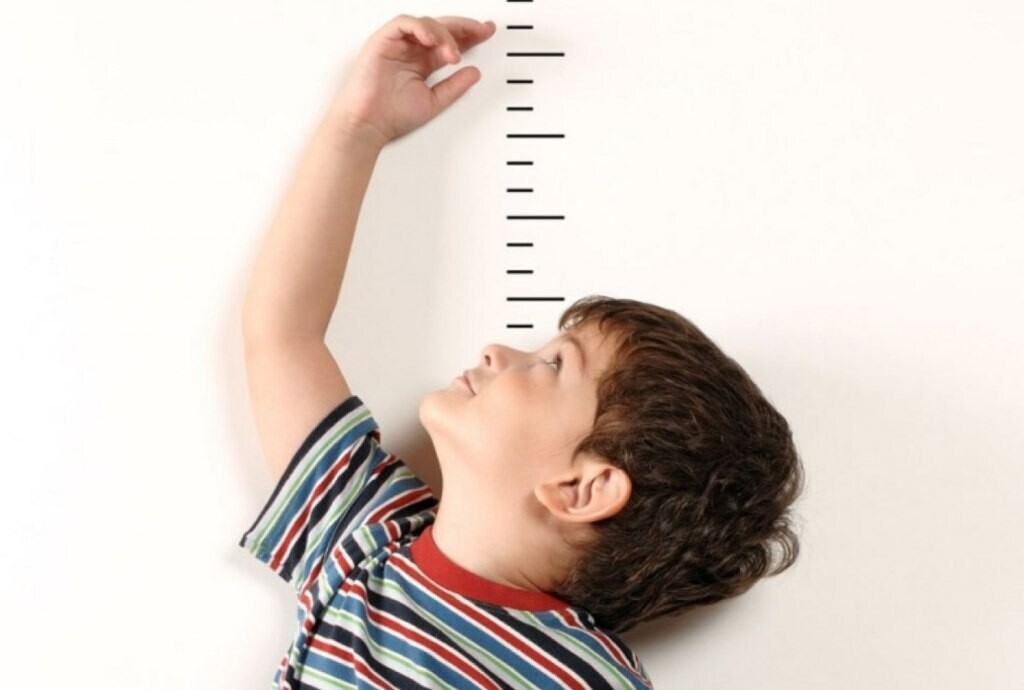
Inés Castellano, president of the Creciendo Civil Association, warned that short stature is much more than an aesthetic trait and has consequences: it can condition a child's physical, emotional, and social development throughout their life. Experts emphasize the importance of early detection of warning signs that parents should pay attention to. These signs include: being considerably shorter than peers of similar age, growth appearing to have slowed or stalled, not needing to change clothes or shoes for long periods, being overtaken in height by a younger sibling, and frequently being mistaken for someone younger. Timely detection of these signs can make a substantial difference in the condition's progression. If a diagnosis related to growth is confirmed, there are specific and effective treatments that can significantly improve the patient's final height and quality of life. It is crucial to understand that not all short stature requires hormonal treatment. If there is any doubt, it is better to consult a doctor rather than remain uncertain. Monitoring growth is a key indicator of a child's overall health. In cases where a growth hormone deficiency is identified, therapy with recombinant growth hormone is the treatment of choice. This medication, which is 100% covered by Argentina's Mandatory Medical Plan (PMO), is indicated for conditions such as growth hormone deficiency, Turner syndrome, chronic renal insufficiency, and intrauterine growth retardation with persistent short stature, among others. However, specialists insist that not all short stature requires hormonal treatment. The start of the school year is also an opportunity to review the health of each child. The annual pediatric visit is much more than a formality; it is a fundamental tool to support growth, prevent diseases, and act promptly on any warning signs. Systematic measurement of height and weight, according to growth charts established by the World Health Organization (WHO), allows pediatricians and endocrinologists to detect possible deviations that may be linked to underlying medical causes. Experts note that families do not always manage to notice these discrepancies. The lack of systematic check-ups can make it difficult to identify a slowdown or stagnation in growth. Tracking height is, in many cases, the first visible sign that something in the body is not functioning as it should. The goal is not just to grow, but to grow well and correctly.